Workbench
This is a project I originally completed in 2018.
For a long time I wanted to get into woodworking. I had some experience through school, as I always selected woodworking for elective classes. The projects at school were always relatively simple and largely relied on machines, so that remained in my mind as the definition of woodworking.
Based on those experiences, I occasionally researched the various machines I would need to get for starting out. Generally speaking they’re either poorly made or very expensive, and require a lot of room. That made me hold off on getting started.
Then one day, by chance, I stumbled upon a series of videos by Paul Sellers where he builds a workbench.
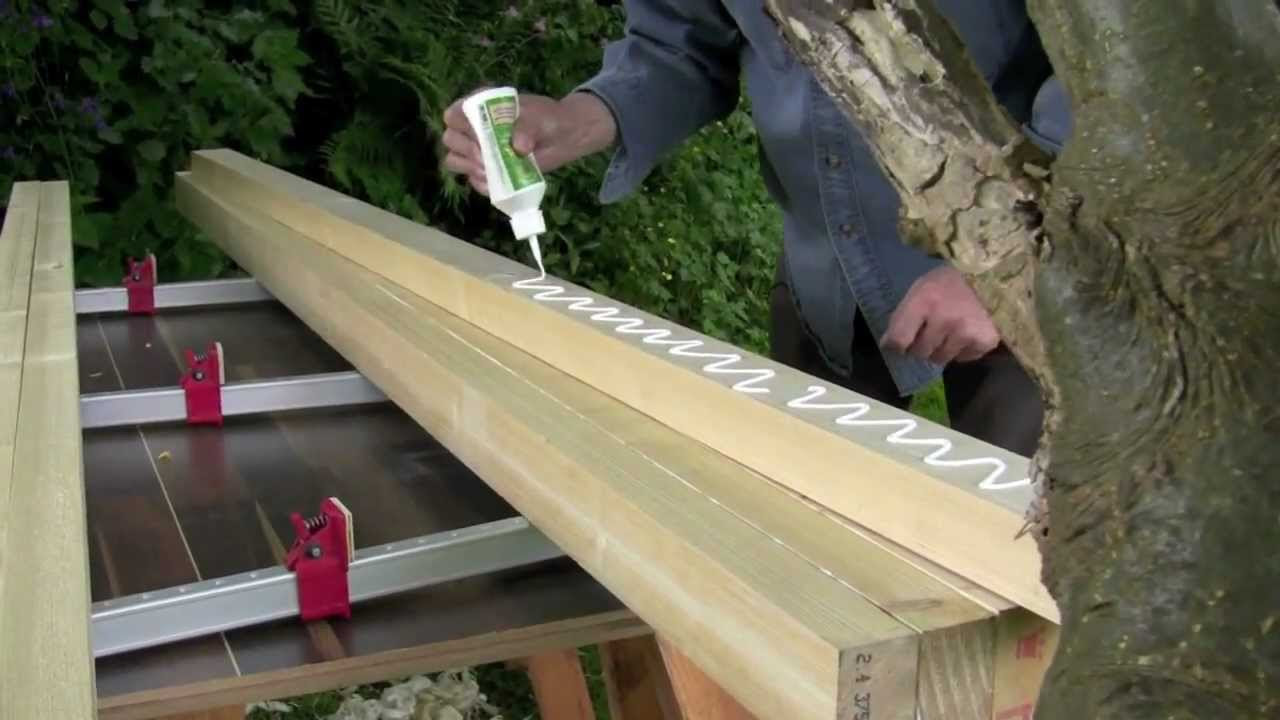
Figure 1. How to build a workbench by Paul Sellers
What really captivated me was the minimal amount of tools used and the lack of a workshop. There were no machines, no existing workbench, not even a roof over his head. With a few hand tools and using cheap hardware store lumber, he built a solid workbench.
It felt immediately accessible. “I could do this,” I thought, with minimal investment. I rented a pickup truck and bought about $150 worth of 2x4 lumber from a hardware store. I bought a few cheap chisels, a #4 plane by Woodriver, two hand saws and some clamps.
First, I built two simple sawhorses, and I set an old hollow core door on top.

Figure 2. Gluing the first of the two top slabs.
I followed Paul Seller’s instructions more or less exactly, so I won’t go into too much detail on the build itself. One difference was that the wood I got had much more rounded corners and wasn’t as even, so it took more work to flatten the slabs. To make that easier I bought a second plane, a Veritas scrub plane.

Figure 3. Speeding up flattening with a scrub plane.

Figure 4. Legs assembled with mortise and tenon joints.
Hand tools
At this point I had watched and read more material by Paul Sellers about using hand tools for woodworking, and I was finding that I enjoyed the work immensely - more so than in the past with machines.
All your senses tell you about the wood you’re working with, rather than the machines. You feel changes in the growth of the wood rather than vibrations of the tool. You hear the texture of what you’re working with rather than the deafening cacophony of motors and high-speed blades. You breathe and smell the wood rather than wear a dust mask constantly. To me it feels more like crafting with skill rather than just building.
To be clear, I don’t say that to seem somehow superior, it’s mostly just my preference. Power tools and machines have their advantages as well.
Overall hand tools take more time and effort, but I’m not in any hurry - it is a hobby after all. Hand tools are also more of a learning experience, it takes a lot of practice to use them effectively.
I do still occasionally use power tools. I have a brace that I typically use for larger holes, but for smaller ones I use a power drill. When I occasionally need plywood panels, I usually cut those with a circular saw.
Finishing the workbench

Figure 5. Shaping the vise jaw.
The only major change from the original was that I used a different vise. I got a vise mechanism by Veritas and made a heavy cherry jaw for it.

Figure 6. Completed workbench.
Thank you for reading the first post on my woodworking blog. I intend to write up a record of my past projects, and this was the first one.